Where Paris Luxury Encounters Tennis Tradition
The Casablanca Paris brand was established around the belief that the most elegant occasions in sport take place not on the court but in the neighbouring environments—the lounge, the locker room and the post-match dinner. Creative director Charaf Tajer took inspiration from his own experiences navigating Parisian social life and Moroccan warmth to establish a brand that approaches tennis as a aesthetic and lifestyle world rather than a competitive pursuit. Starting with its 2018 debut, Casablanca Paris forged a bond with courtside life through silk shirts embellished with rackets, tennis nets and verdant botanical motifs. This was not performance gear; it was a dream of the tennis life reinterpreted through luxury fabrics and elegant artwork. By anchoring the brand in tennis heritage, Tajer accessed a long-standing history of elegance: recall the classic white attire of 1930s players, the colourful awnings of Roland-Garros and the après-match culture that envelops Grand Slam tournaments. In 2026, this tennis identity serves as the creative foundation of every Casablanca Paris line, even as the brand ventures into tailoring, outerwear and accessories that go well beyond the court.
The Tennis Design Language in Casablanca Paris Seasons
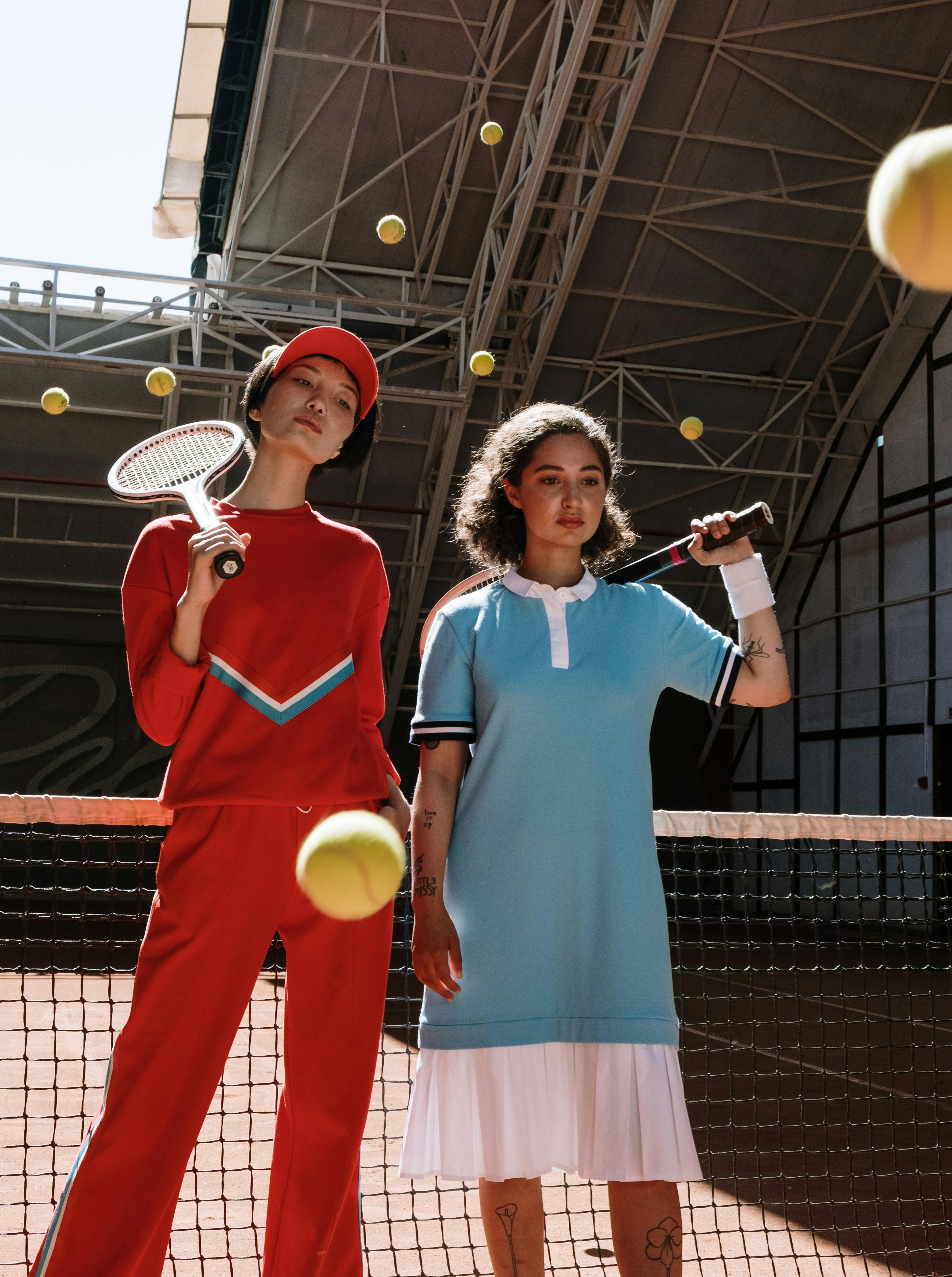
Tennis gives Casablanca Paris with a natural aesthetic toolkit that is both precise and universally appealing. Clay-court reds, grass-court greens, net-white stripes and sun-yellow accents run through each season’s palettes, lending each range a sport-inspired cadence. Illustrations portray matches, onlookers, cups and Mediterranean courts rendered in a painterly, softly retro manner that eschews obvious sportswear aesthetics. Logo crests take on the heraldic motif of imaginary tennis clubs, creating a casablanca sale sense of community and distinction without copying any actual organisation. Knitwear typically showcases cable-knit or textured motifs evocative of retro tennis sweaters, while polo-style shirts and polo cuts nod directly to match-day dress. Terry cloth—a fabric synonymous with sideline linens and sweatbands—appears in shorts, robes and casual tops, reinforcing the sensory association with athletics. Even accessories like caps, visors and wristbands bear the Casablanca Paris crest, turning functional items into covetable identity tokens. This nuanced method guarantees that the tennis motif appears natural and progressing rather than stale, keeping customers captivated across numerous seasons in 2026 and beyond. Accessories such as a crest cap or woven belt can deepen the tennis-inspired energy without creating visual weight to the ensemble.
Notable Tennis-Inspired Pieces Across Seasons
| Garment | Tennis Inspiration | Common Fabric | Price Range (2026) |
|---|---|---|---|
| Silk printed shirt | Courtside viewer | Mulberry silk | $700–$1 200 |
| Terry shorts | Club changing room | Cotton terry | $350–$500 |
| Knit polo | Match-day uniform | Merino / cotton blend | $400–$650 |
| Track jacket | Pre-match layer | Satin / tricot | $600–$900 |
| Logo cap | Sun coverage on court | Cotton twill | $150–$250 |
| Crest-embroidered sweatshirt | Club identity | Dense fleece | $450–$700 |
Why Tennis Tradition Resonates With Luxury Buyers
Tennis has historically been tied to wealth, prestige and social elegance, making it a perfect partner for luxury fashion. Elite clubs, exclusive courts and prestigious competitions provide spaces where style, manners and design sensibility meet. Unlike aggressive sports that focus on physicality, tennis celebrates grace, skill and individual expression—qualities that correspond to the principles of high-end fashion labels. Casablanca Paris capitalises on this cultural capital by offering clothes that envision an romanticised version of the tennis universe: always bathed in sunlight, always social, always dressed impeccably. This inspiring world resonates with consumers who may never compete in professional tennis but who appreciate the culture it represents. In 2026, as wellness and sport more and more overlap with fashion, the tennis connection seems even more appropriate. Events like Wimbledon, the US Open and Roland-Garros persist in generate celebrity interest and media coverage, underscoring the connection between tennis and elegance. Casablanca Paris benefits from this environment by presenting itself as the clothing source for customers who desire to seem as though they belong at the finest clubs in the world, whether they swing a racket or not.
How Casablanca Paris Stands Apart From Other Tennis-Inspired Brands
Multiple fashion houses have explored tennis themes over the years, from Ralph Lauren’s Wimbledon collaborations to Lacoste’s legacy range and Nike’s runway-adjacent performance lines. What sets Casablanca Paris unique is the depth of its focus on the visual world and its decision not to make technical sportswear. While other houses may put out a seasonal capsule inspired by tennis every few seasons, Casablanca Paris grounds its complete brand DNA around the sport. Every season features pieces that could believably exist in a dreamed-up tennis club from the 1970s, updated with contemporary tones, prints and silhouettes. The brand never produces genuine performance tennis gear—there are no performance fabrics, no tournament-level shoes—which preserves the spotlight on imagination and lifestyle rather than performance. This line is crucial because it positions Casablanca Paris alongside luxury houses rather than sportswear companies, supporting elevated prices and more intricate design. In 2026, competitors keep on drop periodic tennis-themed collections, but none have embedded the concept as completely into their DNA as Casablanca Paris, giving the brand a storytelling edge that is difficult to copy.
Incorporating Casablanca Paris With a Tennis Mood in 2026
To introduce the Casablanca Paris tennis spirit into routine outfits, anchor with one focal piece that carries an unmistakable tennis allusion—a printed silk shirt, a terry short, or a knit polo—and assemble the rest of the ensemble around it with understated pieces. For men, teaming a silk shirt with tailored cream chinos and suede loafers delivers a refined evening-out or resort outfit that recalls the post-game social atmosphere. For women, styling a Casablanca polo tucked into a pleated midi skirt with flat sandals achieves a sporty-chic ensemble ideal for daytime dining and art exhibitions. Layering is also impactful: throw a track jacket over a basic T-shirt and jeans to inject a burst of vibrancy and sporting mood without resorting to full theme. During the colder part of the year, a knit or sweatshirt with a discreet tennis crest can be worn under a long coat or blazer, contributing warmth and personality to a refined casual ensemble. The core idea is restraint—let the Casablanca Paris piece take centre stage while the rest of the look delivers a calm backdrop. This equilibrium ensures the tennis motif sophisticated rather than over-the-top.
The Cultural Significance and Outlook of Casablanca Paris Tennis Aesthetic
Beyond apparel, Casablanca Paris has been part of a wider cultural shift in which tennis is reinterpreted as a style signifier for a newer, more inclusive audience. Online initiatives showcasing players, artists and musicians sporting the label have extended the appeal of tennis aesthetics beyond conventional private-club demographics. Pop-up events at grand slam events, limited-edition drops coinciding with Grand Slams and joint projects with tennis federations keep the brand creatively present in athletic environments. In 2026, the impact of Casablanca Paris is apparent not only in its own revenue but in the broader fashion industry’s growing appetite for tennis-inspired fashion and recreational athletics. Other high-end labels have commenced incorporating racket motifs, sport-inspired skirts and terry fabrics into their lines, a trend that can be traced in part to the standard Casablanca Paris established. For customers, this signals more choices and more appreciation of tennis-inspired fashion in routine dressing. For the label itself, the mission is to push boundaries within its signature niche so that it remains the leading source of premium tennis culture rather than one of many. Given Charaf Tajer’s intimate personal attachment to the motif and the brand’s proven ability of considered development, Casablanca Paris appears poised to keep that position for years to come. For more on the overlap of tennis and clothing design, see editorial features at Vogue and Highsnobiety.
Leave a Reply